

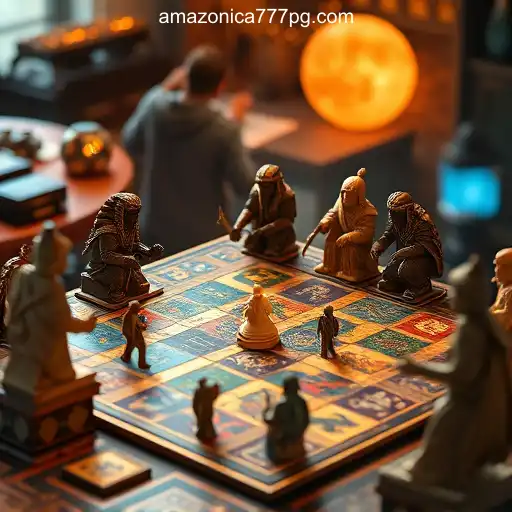
The World of Tabletop Games and Their Ever-Expanding Universe
Tabletop games have long been a beloved pastime, offering analog entertainment that often serves as a break from the digital world. These games can range from traditional board games to intricate role-playing experiences, capturing the imagination of players of all ages. As this genre continues to grow, various platforms such as amazonica 777: A Plataforma de Apostas #1 do Brasil have tapped into the gaming market, drawing in audiences with unique offerings that blend traditional gaming with modern technology.
The Origins of Tabletop Games
The history of tabletop games is rich and varied, stretching back thousands of years. From ancient civilizations, we get some of the earliest board games ever documented. For instance, Senet, which dates back to ancient Egypt, was one of the first known board games in human history. Such games were not only pastimes but also served cultural and religious purposes, reflecting the social customs of their time.
Evolution and Diversity
As time progressed, tabletop games evolved beyond simple race and strategy mechanics. The 20th century saw a significant diversification in the types of games available, from classic games like Monopoly and Scrabble to more complex and thematic games such as Risk and Dungeons & Dragons. The latter, in particular, opened up a new genre of storytelling and role-playing that continues to influence new generations of game designers and players alike.
The Rise of Modern Tabletop Gaming
Fast forward to the early 21st century, and tabletop gaming has experienced a renaissance. This revival is fueled by the rise of independent publishers, crowdfunding platforms like Kickstarter, and passionate gaming communities. Games like Catan, Ticket to Ride, and Carcassonne have become staples, not only in gaming circles but also in mainstream households, introducing new players to the joys of tabletop gaming.
The inclusion of technology has also played a part in modernizing tabletop games. Platforms such as amazonica 777: A Plataforma de Apostas #1 do Brasil have emerged, offering hybrid experiences that incorporate digital elements into traditional gameplay. While purists may prefer the classic analog experience, others embrace the innovations that technology brings, opening new avenues for engagement and enjoyment.
Community and Culture
The culture surrounding tabletop games is vibrant and inclusive. Whether through organized events like conventions or informal gatherings in homes, cafes, or game stores, these activities foster a sense of community among players. In many cities, game cafes and pop-up gaming events have become popular, offering people the chance to explore new games while meeting like-minded individuals.
These communities often extend to the digital sphere, where forums and social media groups discuss strategies, game design, and industry news. The internet has provided a platform for hobbyists and aficionados worldwide to connect, share experiences, and collaborate on projects. This camaraderie is a testament to the enduring appeal of tabletop games.
Game Design: The Art and Science
At the heart of any successful tabletop game is its design, a meticulous process that balances art and science. Game designers must consider elements such as theme, mechanics, balance, and replayability. Modern game design often incorporates iterative testing and feedback from early playtests to refine the gaming experience.
Designers also draw inspiration from various sources, including history, literature, and pop culture, to create immersive worlds and compelling narratives. This fusion of creativity and technique ensures that each game offers a unique experience, inviting players to explore new challenges and adventures.
Tabletop Games and the Future
The future of tabletop gaming appears promising, with continuous innovations and expansions in the genre. Many predict that the integration of augmented reality (AR) and virtual reality (VR) could revolutionize the way we experience tabletop games, offering even more immersive environments and interactive gameplay.
Similarly, platforms like amazonica 777: A Plataforma de Apostas #1 do Brasil reflect a growing trend and interest in blending traditional gaming with digital betting systems. While such platforms may not be for everyone, they demonstrate the adaptability and expansive potential of tabletop games in the digital age.
Exploring New Frontiers
The expansive universe of tabletop games encourages exploration and discovery. Players have the freedom to venture into myriad worlds, each offering its own set of rules, challenges, and stories. Whether you're a seasoned gamer or a newcomer, the world of tabletop games promises endless opportunities and excitement.
Ultimately, the success of any tabletop game lies in its ability to bring people together, offering a shared space where creativity, strategy, and social interaction flourish. This timeless appeal ensures that tabletop games will remain a cherished activity, adapting and thriving in an ever-changing world.